
Introduction
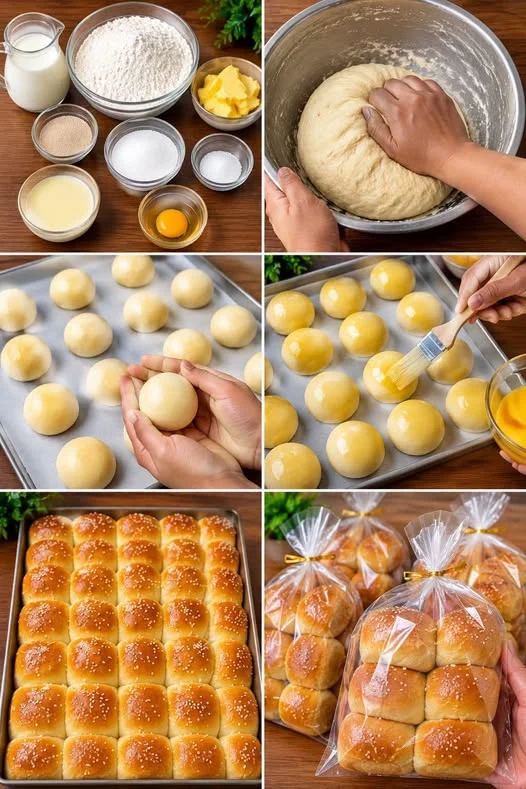
There is nothing quite like the smell of freshly baked dinner rolls filling your kitchen. These soft and fluffy homemade dinner rolls have a beautiful golden-brown top, a tender interior, and a light, pillowy texture that makes them irresistible. Made with simple ingredients such as flour, milk, butter, yeast, eggs, and sugar, these rolls are perfect for everyday meals and special occasions.
The secret to their soft texture is the combination of milk, butter, and egg, which creates a rich and tender dough. Two rising stages allow the dough to develop a light texture, while an egg wash gives the rolls their attractive golden finish.
These homemade rolls are delicious served warm with butter, jam, honey, or cream cheese. They also make excellent sandwich buns and sliders. Whether you are preparing a family dinner, a holiday meal, or a special breakfast, these buttery rolls are sure to become a favorite.
Recipe Overview
- Prep Time: 25 minutes
- First Rise: 1–1½ hours
- Second Rise: 30–45 minutes
- Baking Time: 20–25 minutes
- Total Time: Approximately 2½–3 hours
- Yield: 20–24 dinner rolls
- Difficulty: Easy to intermediate
- Oven Temperature: 350°F (175°C)
Ingredients
For the Dough
- 4 cups all-purpose flour or bread flour (approximately 480–500 g, depending on the flour and measuring method)
- 1 cup warm milk (240 ml)
- 2¼ teaspoons active dry yeast (7 g)
- 3 tablespoons granulated sugar (approximately 38 g)
- 1 teaspoon salt (approximately 5–6 g)
- 4 tablespoons melted butter (56 g)
- 1 large egg
For the Egg Wash
- 1 egg yolk
- 2 tablespoons milk
- Sesame seeds, optional
For Finishing
- A little melted butter, for brushing after baking
Ingredient tip: The milk should be warm, not hot. Excessively hot milk can damage the yeast and prevent the dough from rising properly.
Equipment Needed
- Large mixing bowl
- Measuring cups and spoons or a kitchen scale
- Whisk or wooden spoon
- Clean work surface
- Baking tray
- Plastic wrap or clean kitchen towel
- Pastry brush
- Wire cooling rack
Step-by-Step Instructions
Step 1: Activate the Yeast
Pour the warm milk into a large mixing bowl. Add the sugar and active dry yeast, then stir gently until combined.
Allow the mixture to sit for approximately 5–10 minutes. The surface should become foamy, indicating that the yeast is active and ready to use.
If the mixture does not foam, the yeast may be old or the milk may have been too hot or too cold. Check the yeast before continuing, as inactive yeast can prevent the rolls from rising.
Step 2: Prepare the Dough
Add the egg and melted butter to the yeast mixture. Whisk until the ingredients are well combined.
Gradually add the flour and salt, mixing as you go. Continue stirring until the ingredients come together and form a rough dough.
Transfer the dough to a lightly floured work surface. Knead for approximately 8–10 minutes, until it becomes smooth, soft, and elastic.
The dough should feel slightly soft and may be a little tacky, but it should not be excessively sticky. If necessary, add a small amount of flour to your hands or work surface. Avoid adding too much extra flour because it can make the finished rolls dense.
Step 3: Let the Dough Rise
Place the kneaded dough in a lightly greased bowl. Turn it once so the surface is lightly coated, then cover the bowl with plastic wrap or a clean kitchen towel.
Leave the dough in a warm place for approximately 1–1½ hours, or until it has doubled in size.
The rising time depends on your kitchen temperature and yeast activity. Allow the dough enough time to expand, as proper fermentation helps create a light and fluffy texture.
Step 4: Divide and Shape the Rolls
Once the dough has risen, gently press it down to release excess air.
Transfer it to a lightly floured work surface and divide it into 20–24 equal portions. For more evenly sized rolls, use a kitchen scale to weigh the portions.
Take each piece of dough and roll it between your palms or against the work surface to create a smooth ball. Gently pinch the bottom seam together.
Arrange the dough balls in a lightly greased baking tray, leaving a little space between them. As the rolls rise and bake, they will expand and create a soft, pull-apart appearance.
Step 5: Complete the Second Rise
Cover the shaped rolls loosely with a clean kitchen towel or plastic wrap.
Allow them to rise for another 30–45 minutes, or until they look noticeably puffy and soft.
This second rise is important because it helps the rolls develop their light, airy interior. Avoid rushing the process or allowing the rolls to overproof until they lose their shape.
Toward the end of the rising time, preheat your oven to 350°F (175°C).
Step 6: Prepare the Egg Wash
In a small bowl, whisk together the egg yolk and 2 tablespoons of milk until smooth.
Once the rolls have completed their second rise, gently brush the tops with the egg wash. Use a light touch so you do not deflate the dough.
If desired, sprinkle sesame seeds over the tops for extra flavor and a bakery-style appearance.
Step 7: Bake the Dinner Rolls
Place the baking tray in the preheated oven. Bake for approximately 20–25 minutes, until the tops become beautifully golden brown.
Keep an eye on the rolls during the final few minutes because ovens can vary. If the tops brown too quickly, loosely cover them with aluminum foil.
The rolls should look evenly golden and feel light when lifted. Avoid overbaking, as this can dry out the soft interior.
Step 8: Brush with Butter
Remove the tray from the oven using oven mitts.
While the rolls are still warm, brush the tops with a little melted butter. This adds a delicious buttery flavor and gives the crust a soft, shiny finish.
Allow the rolls to cool slightly before serving. They are especially delicious while still warm and tender.
Tips for Perfect Soft and Fluffy Dinner Rolls
- Use fresh yeast: Active yeast helps the dough rise properly.
- Check the milk temperature: Warm milk is ideal; hot milk can damage the yeast.
- Knead thoroughly: Kneading develops the structure needed for soft, airy rolls.
- Avoid too much flour: Excess flour can make the dough stiff and the rolls dense.
- Make equal portions: Evenly sized dough balls bake more consistently.
- Allow both rises: The first rise develops the dough, while the second makes the shaped rolls light and puffy.
- Apply egg wash gently: Brush the surface without pressing down on the dough.
- Do not overbake: Remove the rolls once they are golden and baked through.
- Brush with butter: Finishing with melted butter helps keep the crust tender.
Serving Suggestions
These homemade dinner rolls are versatile enough for breakfast, lunch, dinner, and special occasions.
For breakfast, serve them warm with butter, jam, honey, or cream cheese. You can also split them open and fill them with scrambled eggs and cheese for a satisfying breakfast bun.
For lunch and dinner, pair the rolls with tomato soup, creamy vegetable soup, stews, roasted chicken, grilled meats, or pasta. Their soft texture makes them perfect for soaking up sauces and gravies.
You can also use them to prepare mini sandwiches and sliders. Add chicken, cheese, lettuce, or your favorite filling for an easy meal or party snack.
Storage Instructions
At room temperature: Allow the rolls to cool completely. Store them in an airtight container or sealed bag for 2–3 days.
In the freezer: Place completely cooled rolls in a freezer-safe bag or container and freeze for up to 2–3 months for best quality.
To reheat: Thaw frozen rolls at room temperature, then warm them in an oven at a low temperature for a few minutes until soft and warm. You can brush them with a little butter before serving.
Avoid storing warm rolls in a sealed container, as trapped steam can make their surface damp.
Frequently Asked Questions
Why are my dinner rolls not fluffy?
Dense rolls can result from inactive yeast, insufficient kneading, too much flour, or not allowing enough time for the dough to rise. Make sure the dough becomes noticeably puffy during both rising stages.
Can I use bread flour instead of all-purpose flour?
Yes. Both types work well. Bread flour may produce a slightly chewier roll, while all-purpose flour can create a softer, tender texture.
Can I prepare the dough ahead of time?
Yes. You can prepare the dough in advance and refrigerate it to slow fermentation. Keep it covered, and allow extra time for the dough to warm up and rise as needed before shaping or baking.
Can I make these rolls without egg wash?
Yes. Egg wash creates a glossy, golden-brown finish, but it is optional. You can brush the rolls with milk instead, although the final color and shine may differ.
How do I keep dinner rolls soft after baking?
Avoid overbaking, brush the tops with melted butter, and store the completely cooled rolls in an airtight container. Reheat gently when you are ready to serve them.
Can I make larger dinner rolls?
Absolutely. Divide the dough into fewer portions for larger rolls. Remember that larger rolls may require additional baking time, so check that they are baked through before removing them from the oven.
Nutrition Information
The following values are rough estimates per roll, assuming the recipe makes 24 rolls and includes the listed dough ingredients. The egg wash, sesame seeds, and finishing butter may change the final values.
| Nutrient | Estimated Amount |
|---|---|
| Calories | 100–125 kcal |
| Protein | 3–4 g |
| Carbohydrates | 16–19 g |
| Fat | 3–4 g |
| Saturated Fat | 1.5–2 g |
| Fiber | 0.5–1 g |
| Sugar | 2–3 g |
| Sodium | 100–150 mg |
Actual nutrition values depend on the flour brand, roll size, and amount of butter and egg wash used. These figures are estimates, not laboratory-tested values.
Final Thoughts
These Soft & Fluffy Dinner Rolls are a wonderful homemade bread recipe that delivers a bakery-style result with simple ingredients. Milk, butter, and egg create a rich, tender dough, while the two rising stages help produce the soft, airy texture everyone loves.
Serve them warm with a family dinner, enjoy them at breakfast, or turn them into delicious mini sandwiches. With a golden top, a buttery finish, and a pillowy interior, these homemade dinner rolls are worth making again and again.
